Good care starts with understanding the individual.
Physical health, mental health, family responsibilities, and financial pressures affect one another. ReRide’s approach considers those connections and the realities of being a western athlete.
We’re developing a network of trusted providers and practical educational resources around that understanding. The aim is to make healthy practices more familiar, asking for help more comfortable, and finding appropriate support more straightforward.
Education and prevention belong at every age.
Young athletes should have opportunities to learn how to care for their bodies and minds as they learn their sport. Experienced and retired athletes need that knowledge, too, as their health, routines, and responsibilities change.
Our educational priorities include injury prevention, physical conditioning, recovery, healthy coping practices, and recognizing when professional support could help. We want athletes to have information they can understand and put to use in everyday life.
The right provider makes a difference.
Finding someone who understands rodeo can make it easier to explain what you’re facing and discuss care that fits your circumstances.
Our preferred-provider standards include:
-
Familiarity with the demands of rodeo, travel, competition, and the community around them.
-
Professional training, credentials, and licensing appropriate to the services offered.
-
Review by our board and trusted professional contacts.
-
Attention to the person’s broader circumstances and recognition of when another professional’s expertise is needed.
Support should reflect what someone actually needs.
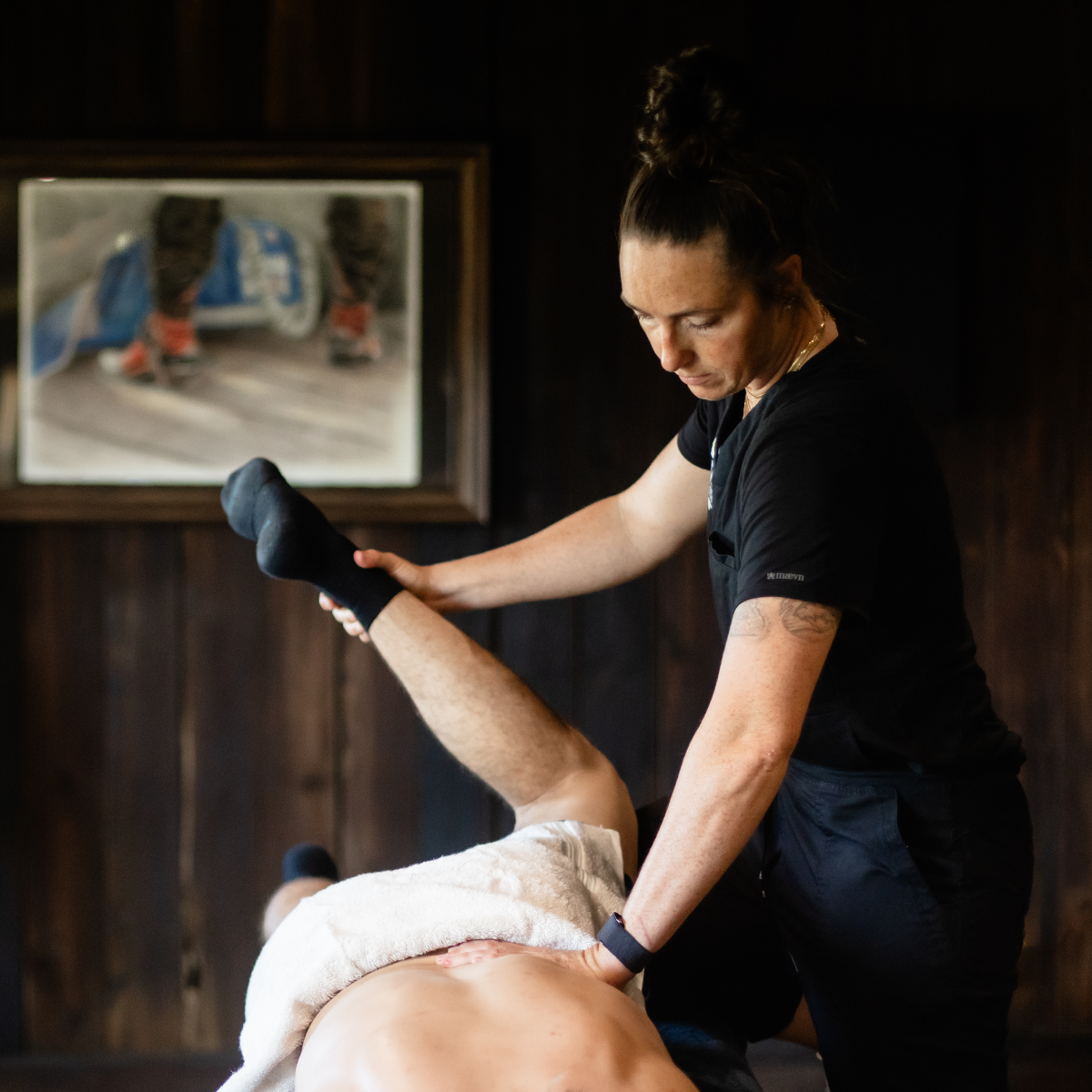
Physical health and injury recovery
Physical therapy, bodywork, conditioning, and guidance for recovery and long-term health.
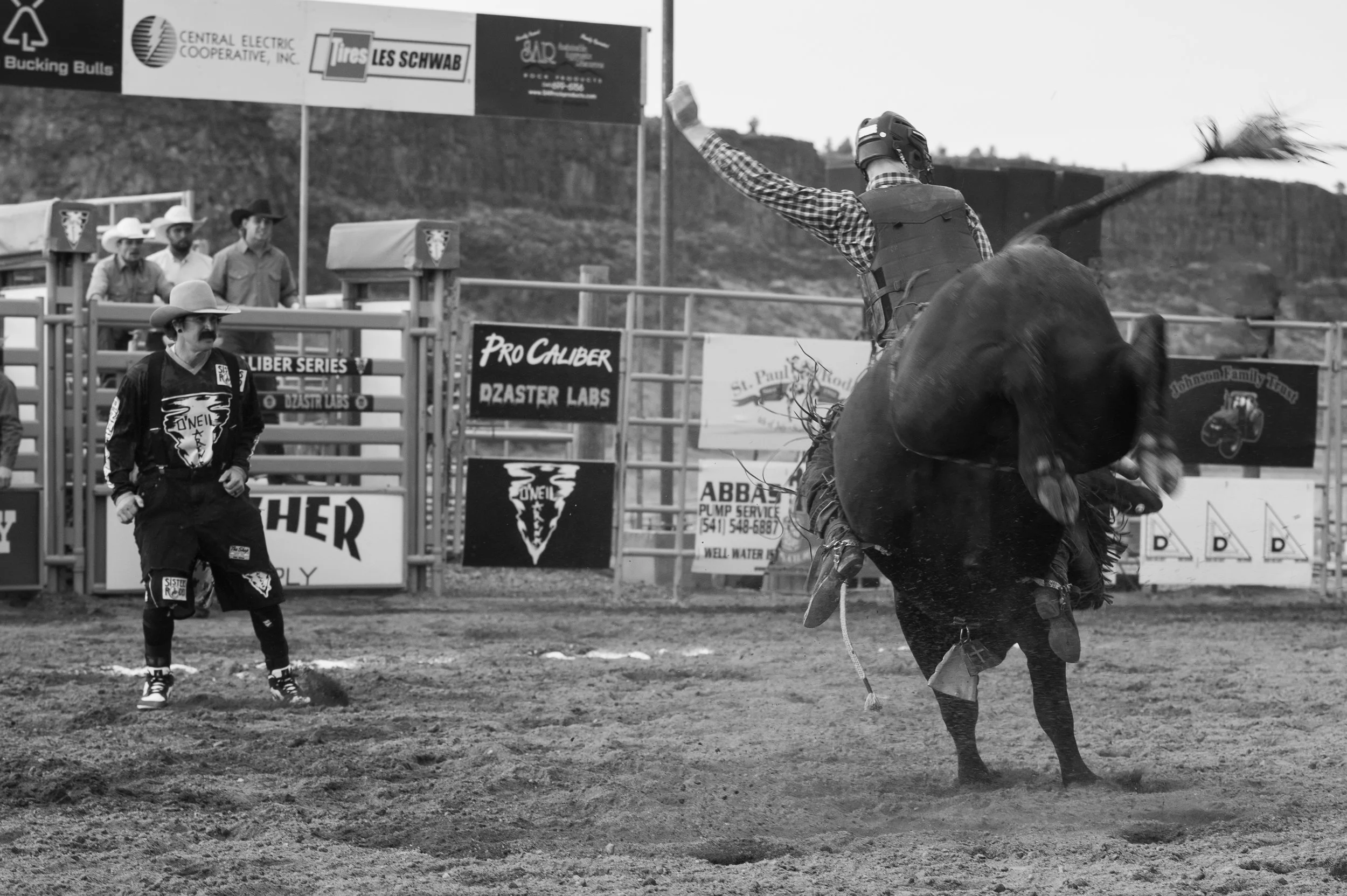
Mental health and addiction
Qualified counseling and support for mental health challenges, substance misuse, and coping with stress and pressure.
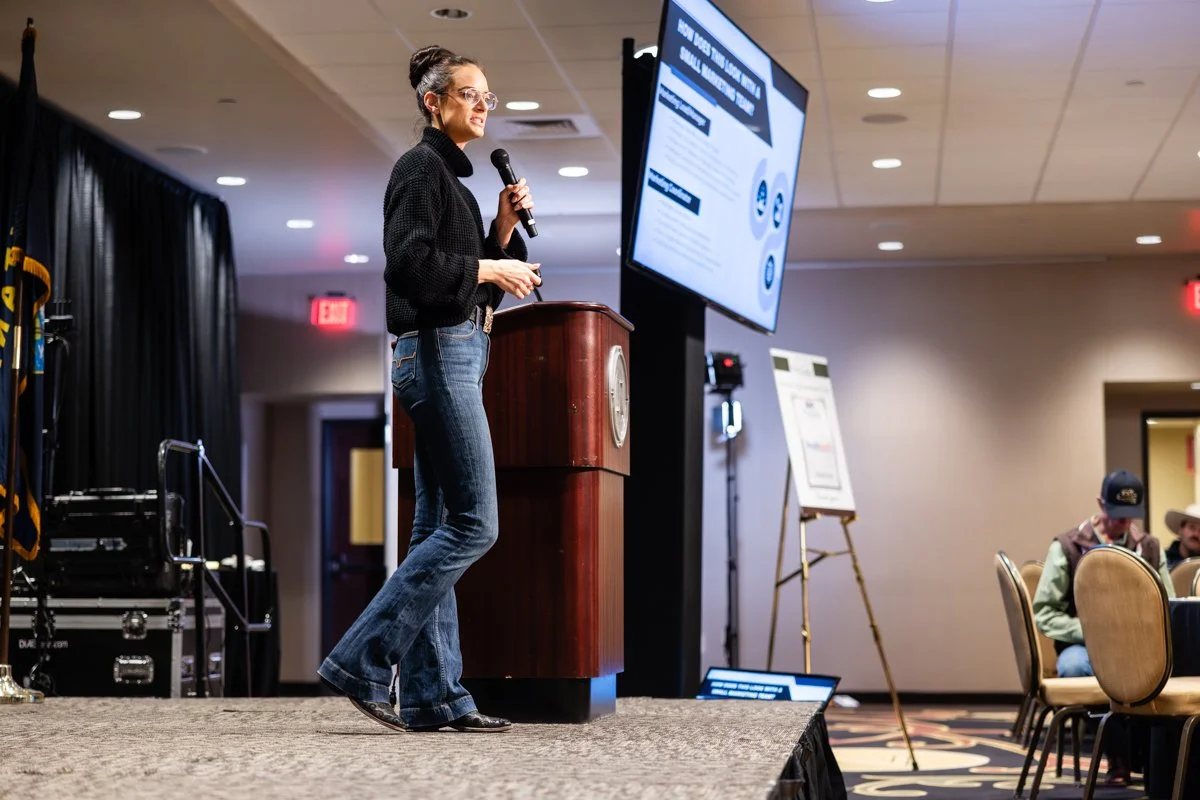
Education and mentorship
Practical health education and opportunities to learn from experienced professionals and athletes.

Major life transitions
Guidance for changing responsibilities, career decisions, and finding direction when someone’s plans or ability to compete change.
These areas guide our provider recruitment and program development. Specific services will depend on the providers and resources available.
How we’re growing
Our initial referral approach centers on helping people identify an appropriate provider through personal connections. As the network develops, we plan to introduce a directory that makes providers and resources easier to explore.
Contact our team to learn about the connections currently available. We’ll be straightforward about where we can help and what remains in development.
Current fundraising supports provider-network development, educational resources, and the coordination needed to make referrals useful.
Financial assistance and educational clinics are longer-term goals. We’ll expand as funding, relationships, and organizational capacity allow us to do that work responsibly.